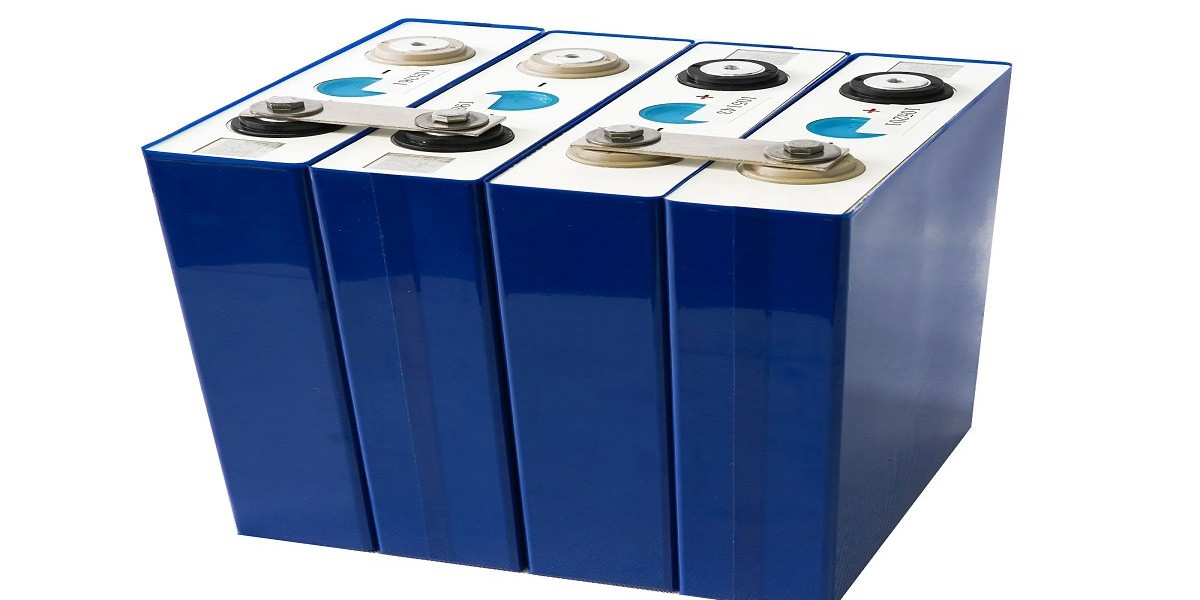

Load-shedding, rising fuel costs, and unreliable grid supply have pushed Pakistani households and businesses to rethink how they store energy. If you've been searching for a dependable backup power solution, chances are you've come across lithium iron phosphate batteries — and you're probably wondering about the LiFePO4 battery price in Pakistan before making a decision. The good news? These batteries aren't just another trend; they're a genuine upgrade over traditional lead-acid options, offering longer life, better safety, and real long-term savings.
At Alpine Industrial Con, we work with homeowners, solar installers, and commercial clients across the country who are switching to lithium iron phosphate technology. In this guide, we'll break down what affects LiFePO4 Battery Price in Pakistan, how to choose the right unit, and why this investment pays for itself over time.
Why LiFePO4 Batteries Are Becoming Pakistan's First Choice
Traditional lead-acid batteries have served Pakistani homes for decades, but they come with drawbacks: short lifespan, heavy maintenance, and poor performance in extreme heat. Given Pakistan's summer temperatures often crossing 40°C, this is a serious concern.
Lithium iron phosphate cells handle heat far better, last significantly longer, and require zero water top-ups or acid checks. For anyone comparing energy storage options, understanding the cost of LiFePO4 batteries in Pakistan helps clarify why so many people are making the switch despite a higher upfront cost.
Key Advantages Over Lead-Acid Batteries
Lifespan: Up to 3,000–6,000 charge cycles compared to 300–500 for lead-acid units
Weight: Roughly one-third the weight, making installation and transport easier
Efficiency: Higher usable capacity (up to 90–100%) versus 50% for lead-acid
Safety: More thermally stable chemistry, reducing fire risk
Maintenance: No watering, no acid spills, no ventilation requirements
What Determines LiFePO4 Battery Price in Pakistan
Several factors influence how much you'll pay, and understanding them helps you avoid overpaying or settling for a substandard product.
1. Battery Capacity (Ah and kWh)
Larger capacity units naturally cost more. A 100Ah battery designed for a small home setup will be priced lower than a 200Ah or 300Ah unit meant for commercial backup or full solar system integration. Always calculate your actual load requirement before choosing capacity — buying oversized capacity you don't need inflates your budget unnecessarily.
2. Brand and Cell Quality
Not all lithium iron phosphate cells are equal. Grade-A cells from reputable manufacturers (such as CATL or EVE) cost more than unbranded or recycled cells, but they last considerably longer and perform more reliably. This is where the lithium battery pricing in Pakistan varies the most — a cheaper unit today can mean replacement costs within two years.
3. Built-in Battery Management System (BMS)
A quality BMS protects against overcharging, deep discharge, short circuits, and temperature spikes. Units with advanced BMS technology are priced slightly higher but offer much better protection and longevity — a worthwhile trade-off for anyone serious about long-term reliability.
4. Import Duties and Currency Fluctuation
Since most lithium cells are imported, exchange rate movement and government import policies directly affect retail pricing. This is why prices can shift month to month even for the same specification.
5. Warranty and After-Sales Support
Batteries backed by 5–10 year warranties and local technical support typically cost more, but they reduce your risk significantly. A supplier without proper after-sales service can leave you stranded if something goes wrong.
LiFePO4 vs Lead-Acid: A Practical Cost Comparison
At first glance, lead-acid batteries look cheaper. But when you factor in replacement frequency, the math changes quickly.
Example scenario: A lead-acid battery costing less upfront may need replacement every 1.5–2 years, while a lithium iron phosphate unit — despite a higher initial cost — can comfortably last 8–10 years with proper care. Over a decade, most users find they've spent less overall with lithium technology while enjoying fewer disruptions and less maintenance hassle.
How to Choose the Right LiFePO4 Battery for Your Needs
For Home Backup
If you're covering essential appliances (fans, lights, router, a few fans or a small fridge), a 100Ah–150Ah unit is usually sufficient.
For Solar Integration
Solar users should size their battery bank according to daily consumption and desired backup hours. Pairing panels with a properly sized lithium bank maximizes self-sufficiency and reduces grid dependency.
For Commercial Use
Businesses with higher, more consistent loads should consider stacked battery systems that can scale as demand grows, rather than a single oversized unit.
Key Insights and Practical Tips
Don't buy on price alone — a suspiciously low quote often means recycled or Grade-B cells.
Ask for the datasheet — a legitimate supplier will readily share cycle life, capacity, and BMS specifications.
Check warranty terms in writing — verbal promises mean little if the supplier disappears.
Match capacity to real usage — oversizing wastes money; undersizing shortens battery life through excessive discharge.
Buy from an established supplier — companies like Alpine Industrial Con provide certified products, transparent pricing, and dependable after-sales support, which matters far more than shaving off a few thousand rupees upfront.
Choosing the right energy storage solution is about more than just comparing numbers on a price tag. When you understand what genuinely affects the LiFePO4 battery price in Pakistan — capacity, cell quality, BMS, and warranty — you're in a much stronger position to make a smart, future-proof decision. At Alpine Industrial Con, our goal is to help you find a battery solution that fits your budget today while saving you money for years to come. If you're ready to move away from constant lead-acid replacements and unreliable backup power, now is the right time to explore lithium iron phosphate technology.