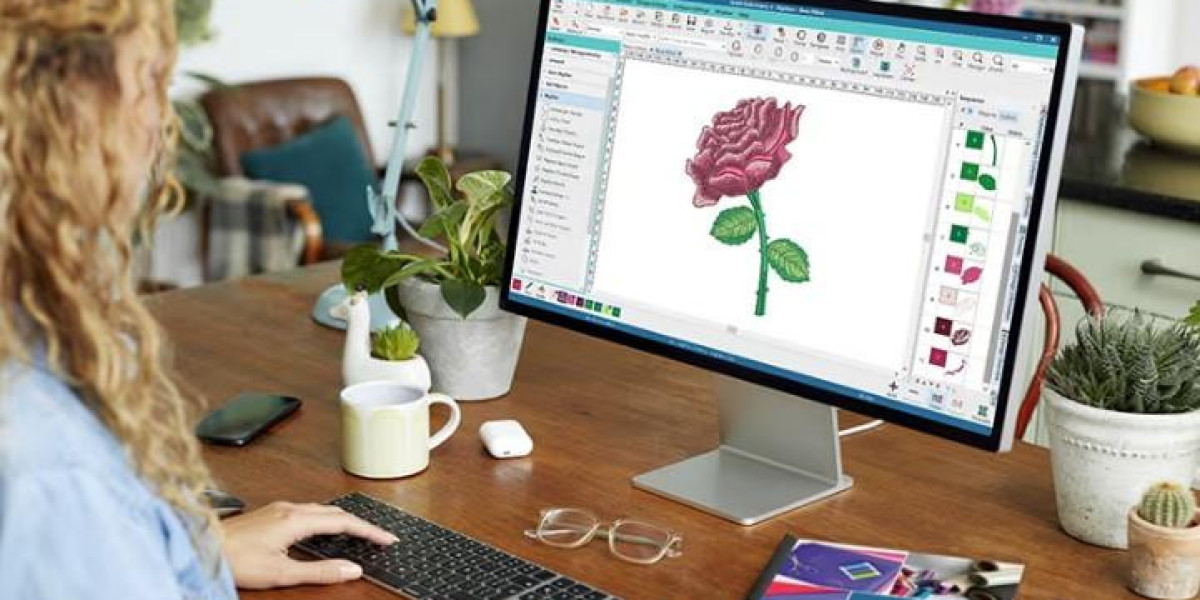

Walk into any room wearing a plain hoodie, and nobody notices. Walk in wearing the same hoodie with a design stitched just for you, and people ask where you got it. That shift happens because of Personalized Creative Embroidery Designs. They take everyday clothing and turn it into something that actually means something, something that reflects who you are instead of whatever a factory decided to print that season.
In this guide, I will walk you through how to use personalized creative embroidery to build apparel that stands out. We will cover design choices, fabric considerations, placement ideas, and practical tips that make your projects look polished. Whether you stitch for yourself, for gifts, or for a growing brand, these ideas will help you create work people remember.
Why Personalized Apparel Wins Every Time
Mass-produced clothing has a problem. It is designed for everyone, which means it is designed for no one. The fit might work, but the design rarely says anything about the person wearing it.
Personalized embroidery changes that. When you stitch a name, a symbol, a date, or a custom design onto a garment, you make it specific. That specificity creates connection. People wear personalized apparel more often because it feels like theirs. They keep it longer. They treat it better.
For businesses, this same principle drives loyalty. Uniforms and branded merchandise with thoughtful embroidery feel premium. Customers notice the difference even if they cannot explain why.
Start With a Story, Not a Design
The best personalized embroidery starts with a story. What is the garment for? Who will wear it? What moment or memory does it represent?
A graduation hoodie might carry the year, the school colors, and a small symbol that means something to the graduate. A wedding denim jacket might include the couple's initials, the date, and a floral element that matches the real bouquet. A baby blanket might feature the child's name, birth weight, and a small animal the parents love.
When you start with the story, the design choices become obvious. Colors, fonts, and symbols all fall into place because they serve the meaning behind the piece. Starting with a design and trying to attach meaning afterward rarely works as well.
Choosing the Right Garment and Fabric
Not every garment handles embroidery the same way. The fabric underneath your design affects how it looks and how long it lasts.
Cotton and canvas are forgiving and hold stitches well. Denim is sturdy and handles dense designs without puckering. Fleece and towels have a nap that softens fine details, so bold shapes work better. Stretchy knits need extra stabilizer and underlay to prevent distortion. Performance fabrics require lightweight designs and careful tension control.
Pick the garment with the design in mind. If you want a detailed, dense design, choose a stable fabric. If you want something soft and casual, choose a knit and simplify the design to match.
Placement Ideas That Stand Out
Most people default to the left chest or center front. Those placements work, but they are predictable. If you want your apparel to feel unique, consider alternatives.
Sleeve embroidery adds a subtle, modern touch. Collar details feel premium and understated. Back panel designs make a bold statement. Cuff and hem accents create small surprises that people notice up close. Even a small design on a pocket or hood can transform a plain garment.
Think about how the garment moves when worn. A design that sits well on a hanger might look awkward when the person is walking or sitting. Test placement on an actual body when possible.
Color Choices That Carry Meaning
Color is emotional. It sets the tone before anyone reads a single word or recognizes a symbol.
Warm tones feel inviting and nostalgic. Cool tones feel calm and modern. High-contrast palettes feel bold and graphic. Muted palettes feel sophisticated and understated. Metallics add luxury.
For personalized work, color often carries personal meaning. A favorite team's colors. A birthstone shade. A hue that reminds someone of a specific place or time. Use those connections intentionally, and the design becomes more than decoration.
Keep your palette tight. Three well-chosen colors usually look better than eight. Each color should have a clear role, whether it is the base, the accent, or the highlight.
Stitch Types That Add Character
Embroidery offers a range of stitch types, and each one creates a different effect. Using them thoughtfully makes your design feel richer.
Run stitches handle outlines and fine details. Satin stitches create smooth, raised borders and lettering. Fill stitches cover larger areas efficiently. Motif and decorative stitches add texture and visual interest. French knots and other specialty stitches add dimensional accents.
Mixing stitch types keeps the design balanced. A monogram might use satin for the letters, a run stitch for an outline, and a textured fill for a background shape. Variety keeps the eye interested and makes the stitching look intentional.
Personalization Beyond Names
Adding a name is the obvious move, but personalization goes much further.
Think about hobbies, hometowns, favorite quotes, meaningful dates, and inside jokes. Consider symbols that represent something important, like a small mountain for a hiker or a paw print for a pet owner. Even the choice of font can carry personality. A playful script feels completely different from a clean block letter.
The goal is to create something the recipient will recognize as theirs. That recognition is what makes personalized apparel special.
Practical Tips for Better Results
A few habits consistently improve personalized embroidery work.
Simplify complex artwork before digitizing
Thicken thin lines and enlarge small text
Test every design on the actual fabric before production
Use the right stabilizer for the garment
Keep backups of your digitized files for future orders
These small steps make a big difference in how professional the final piece looks.
Common Mistakes to Avoid
A few errors show up often in personalized embroidery projects.
Choosing fonts that are too small to stitch cleanly
Overloading designs with too many colors
Ignoring fabric behavior during digitizing
Skipping test stitches before production
Applying designs to garments that cannot handle the stitching
Avoid these and your work will look more polished than most.
Conclusion
Personalized creative embroidery designs turn ordinary apparel into something people actually treasure. They add meaning, texture, and personality that mass-produced clothing cannot match. By starting with a story, choosing the right garment and colors, and using stitch types thoughtfully, you can create pieces that stand out in any crowd.
Whether you stitch for yourself, for gifts, or for a business, the principles remain the same. Make it personal. Make it intentional. Make it yours. Do that consistently, and the apparel you create will not just look unique. It will feel like it belongs to the person wearing it.