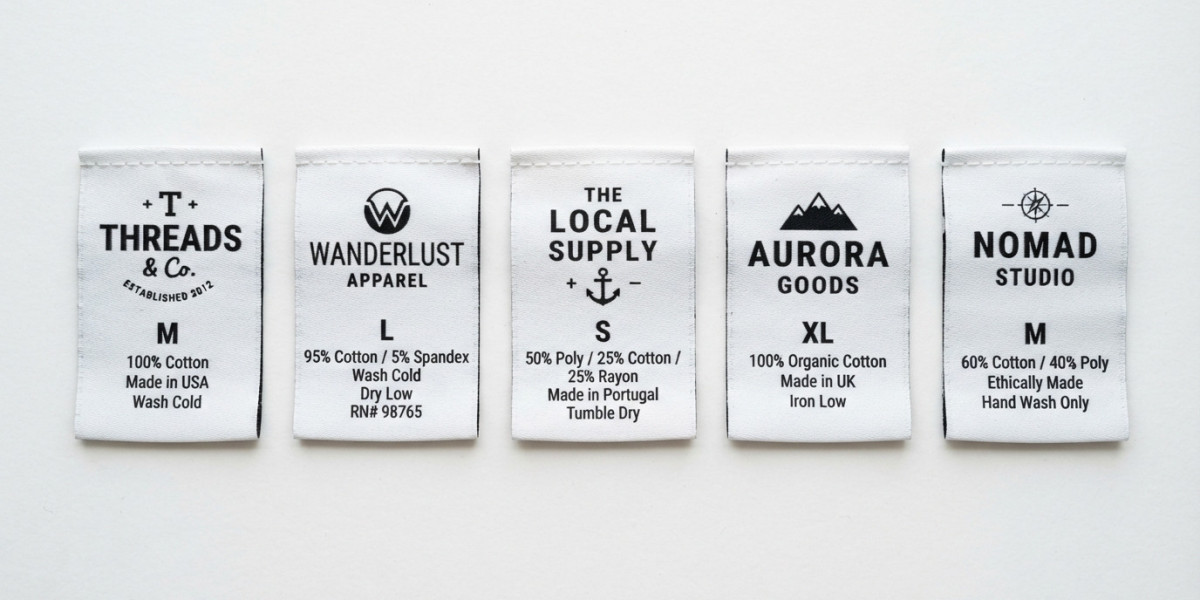

Custom Shirt Tags
Printed wholesale shirt tags are a simple yet effective way to give clothing products a professional appearance while displaying important brand and product information. Whether you run a fashion label, clothing boutique, streetwear brand, or handmade apparel business, personalized shirt tags can help create a consistent and recognizable identity.
From brand logos and clothing sizes to prices, materials, care information, and QR codes, custom shirt tags can be designed around the specific needs of your apparel business.
What Are Custom Shirt Tags?
Custom shirt tags are printed labels or hang tags attached to shirts and other garments. They are commonly made from paper, cardstock, or other suitable materials and can be customized with a brand's colors, logo, typography, and product information.
Tags may be attached to a garment using string, ribbon, plastic fasteners, adhesive, or other attachment methods. Some businesses use tags primarily for branding, while others use them to provide customers with useful product information.
A well-designed shirt tag can complement the garment and packaging, creating a cohesive experience from the moment a customer sees the product.
Benefits of Custom Shirt Tags
Build Brand Recognition
Your shirt tag is another opportunity to showcase your brand. A recognizable logo, consistent colors, and distinctive typography can help customers associate your garments with your business.
Provide Product Information
Custom tags can communicate details such as size, fabric composition, price, style number, SKU, country of origin, or care instructions.
Create a Professional Appearance
A thoughtfully designed tag can make clothing look more polished and retail-ready. Even a simple garment can benefit from packaging details that are consistent with the overall brand.
Support Retail and Inventory Management
Product codes, barcodes, and QR codes can be incorporated into tags where appropriate. These features can help retailers identify products and connect physical garments with digital information or inventory systems.
Flexible Design
Shirt tags can be customized in many different shapes, sizes, colors, and materials. This makes it possible to create a design that reflects the character of your clothing line.
Customization Options for Shirt Tags
Custom Shapes and Sizes
While traditional rectangular tags are popular, brands can choose circles, squares, folded designs, die-cut shapes, or other custom configurations. The size should be appropriate for the garment and the amount of information required.
Custom Printing
Full-color printing allows you to add logos, illustrations, patterns, product photography, and brand messaging. Minimal one-color designs can also create a sophisticated appearance.
Premium Materials
Different paper and cardstock stocks can be selected based on the desired thickness, texture, durability, and appearance. A premium material can add a distinctive feel to the finished tag.
Specialty Finishes
Depending on the production method, options can include matte or gloss coatings, embossing, debossing, foil accents, rounded corners, and specialty textures.
Attachment Options
Tags can be designed with holes or other features for attaching string, ribbon, or fasteners. The attachment method can be selected based on the garment and the desired presentation.
What Should You Put on a Shirt Tag?
The information included on a custom shirt tag will vary by product and brand. Common details include:Brand name and logo
Clothing size
Product or style name
Retail price
SKU or product number
Fabric or material information
Care instructions
Website or social media information
QR code
Brand message or tagline
The goal is to provide useful information while keeping the design clean and easy to read.
Custom Shirt Tags for Different Clothing Brands
Different apparel businesses can use custom tags to create a visual identity that matches their target market.
A streetwear brand might choose bold colors, unconventional shapes, and large typography. A luxury fashion label may prefer understated designs, premium cardstock, and subtle foil details. Handmade clothing businesses can use natural-looking materials and simple graphics to emphasize their craftsmanship.
Boutiques and small clothing brands can also use personalized tags to create a consistent presentation across different collections.
Designing Effective Shirt Tags
Start by deciding what information customers need most. Place your brand name and logo prominently, then organize supporting information in a clear hierarchy.
Choose colors that complement your clothing and existing packaging. The typography should remain readable at the final printed size, particularly when including attached without interfering with the garment. If you plan to use QR codes or barcodes, make sure they have review the final artwork carefully and confirm dimensions, bleed, resolution, and other printing small product details.
Think about the physical experience as well. A tag should be appropriately sized and securely attached without interfering with the garment. If you plan to use QR codes or barcodes, make sure they have adequate size, contrast, and clear space for scanning.
Before production, review the final artwork carefully and confirm dimensions, bleed, resolution, and other printing requirements.
Make Your Apparel Brand Stand Out
Custom hang tags are more than simple product labels. They provide an opportunity to communicate operate a fashion label, boutique, streetwear company, or handmade apparel business, personalized shirt tags can complement your clothing and packaging. With the right combination of design, material, printing, and finishing, a custom shirt tag can become a recognizable your brand identity, share important garment information, and create a professional retail presentation.
Whether you operate a fashion label, boutique, streetwear company, or handmade apparel business, personalized shirt tags can complement your clothing and packaging. With the right combination of design, material, printing, and finishing, a custom shirt tag can become a recognizable part of your brand experience.


postingan populer