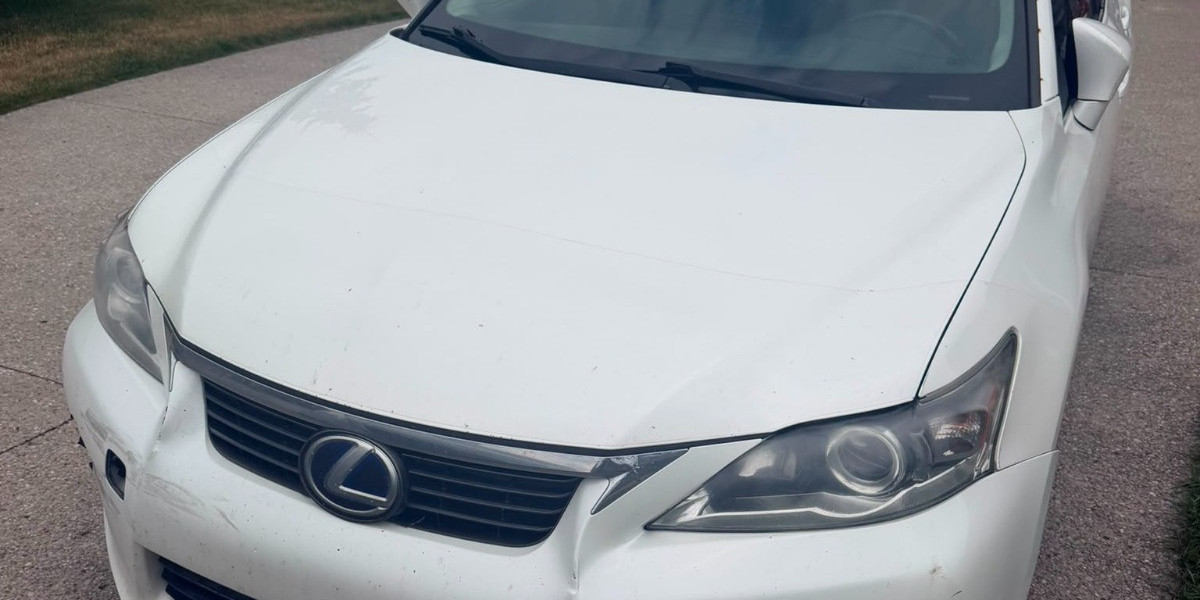

An old car can look like nothing more than a problem sitting in the driveway, especially when it no longer runs or has visible damage. But age alone does not determine what a vehicle is worth. Some older cars can still have valuable components, strong parts demand, recyclable materials, or features that make them more useful than their owners realize.
Before sending an aging vehicle to the scrapyard or spending money trying to repair it, it is worth understanding what can contribute to its cash value. A vehicle that appears outdated may still have several factors working in its favor.
1. Valuable and Usable Parts
One of the biggest reasons an old vehicle may be worth more than expected is the condition of its individual components.
An older car may still have a usable engine, transmission, alternator, starter, wheels, electronics, body panels, or other mechanical components. Even when the vehicle itself is no longer practical to drive, some parts may have demand in the replacement or salvage market.
This is particularly relevant for vehicles with components that are difficult or expensive to find.
2. A Complete Vehicle Can Have More Potential
Owners sometimes assume that removing valuable parts will automatically increase their return. However, dismantling a vehicle can change its overall value.
A complete car gives a buyer more components and materials to evaluate. Once major parts have been removed, the remaining shell may have considerably less recovery potential.
Before taking anything apart, it can be useful to get an as-is valuation for the complete vehicle. Calgary owners can also compare the vehicle’s current condition with a Cash for Cars Calgary offer before deciding whether dismantling is worthwhile. That gives you a baseline for comparing the potential return from dismantling it yourself.
3. Low Mileage for Its Age
Age and mileage are two different things.
An older vehicle that has travelled relatively few kilometres may contain components with less wear than expected. If the car was used occasionally or spent much of its life stored, some mechanical and interior components may remain in reasonable condition.
For example, a 15-year-old vehicle with unusually low mileage could be more interesting than another vehicle of the same age that has travelled several hundred thousand kilometres.
Mileage is not the only factor, but unusually low mileage can make an older vehicle stand out.
4. Strong Demand for Certain Models
Some older vehicles continue to have demand because their parts are needed by other owners.
If a particular model is common on Calgary roads, there may be a steady market for replacement components. Other older vehicles may be desirable because certain parts have become difficult to source.
This means an old vehicle's value can depend partly on what other people need from it.
A car that seems outdated to its owner may still be useful to someone searching for a specific replacement component.
5. A Working Engine or Transmission
The engine and transmission can make a substantial difference to an older vehicle's overall value.
An old car with a functioning drivetrain may have more potential than one with a seized engine or failed transmission. Even if the vehicle has cosmetic problems, usable mechanical components can contribute to its value.
If you know that the engine or transmission works, mention this when requesting a cash offer.
On the other hand, do not assume that repairing a failed engine will automatically make financial sense. Major mechanical repairs can cost more than the additional value they create.
6. Desirable Wheels and Tires
Wheels and tires are another factor owners sometimes overlook.
An older vehicle with good-condition wheels or relatively usable tires may have additional value compared with one missing wheels or sitting on severely damaged tires.
Certain factory or aftermarket wheels can also be more desirable than ordinary replacements.
However, replacing tires solely to increase a vehicle's selling price may not be worthwhile. Always compare the replacement cost with the potential increase in the vehicle's value first.
7. Valuable Metals and Recyclable Materials
Even when an old car has little resale potential as a functioning vehicle, it still contains recyclable materials.
Steel, aluminum, copper, and other materials can contribute to the vehicle's recovery value. The amount of recoverable material varies depending on the vehicle.
Larger and heavier vehicles may contain more metal than smaller models, although weight alone does not determine the final cash offer.
Market conditions also matter because scrap-metal prices can change over time.
8. The Vehicle Is Mostly Complete
Completeness can be surprisingly important.
An old vehicle that still has its engine, transmission, interior, wheels, electronics, and other major components may provide more recovery opportunities than a car that has already been stripped.
This is why selling an old car in its current complete condition can sometimes be simpler than spending days dismantling and separately selling its components.
The time saved can also have real value.
9. Recent Maintenance or Replaced Components
An old vehicle may have newer components installed during its lifetime.
A recently replaced battery, alternator, tires, suspension components, or other parts may improve the overall condition of the vehicle compared with another car of the same age.
Maintenance records can be useful if you have them. They provide additional information about the vehicle's history and can help explain why an older car remains in relatively good condition.
10. Limited Body Damage
Cosmetic imperfections do not necessarily destroy an old car's value.
Small dents, scratches, faded paint, or minor rust may make a vehicle less attractive as a traditional used car, but they do not automatically eliminate the value of its mechanical components and recyclable materials.
A car with a damaged exterior can still contain a perfectly usable engine, transmission, wheels, electronics, or interior parts.
That is why owners should evaluate the entire vehicle rather than judging its worth based only on appearance.
11. Rare or Hard-to-Find Components
Sometimes the most valuable feature of an old car is not obvious.
A particular trim level, engine configuration, transmission, electronic module, body panel, or interior component may be harder to find than standard parts.
If replacement components are scarce, an older vehicle can become useful as a source of parts even when it is no longer economical to repair.
This is one reason the make, model, year, and exact configuration should be provided when requesting an offer.
12. Location and Easy Pickup
The physical location of an old vehicle can affect how practical it is to remove.
A complete, accessible vehicle sitting in an open driveway is generally easier to handle than a non-running car trapped inside a narrow garage or behind other vehicles.
If your vehicle has easy access, mention it when requesting a quote. If access is difficult, explain the situation honestly so the removal requirements can be considered from the beginning.
Should You Repair an Old Car to Increase Its Value?
This is where many owners make an expensive mistake.
Seeing that a car still has potential does not mean every repair is worth paying for. If an old vehicle needs an expensive transmission, engine, suspension system, or electrical repair, the cost may exceed the increase in selling value.
Instead of guessing, compare three figures:
Current as-is value + estimated increase after repair − repair cost = potential financial difference
For example, if a repair costs several thousand dollars but only increases the vehicle's selling value by a fraction of that amount, the repair may not make financial sense.
How to Find Out What Your Old Car Is Really Worth
Start by collecting the important details:
· Year, make, and model
· Mileage
· Running or non-running condition
· Engine and transmission condition
· Accident history
· Missing parts
· Wheel and tire condition
· Interior condition
· Vehicle location
· Ownership documentation
Clear photographs can also help communicate visible damage and the vehicle's overall condition.
Providing these details can make it easier to receive an accurate cash for cars valuation without spending money on unnecessary repairs.
Most importantly, describe the car honestly. An accurate description makes it easier to receive a realistic offer and reduces the chance of unexpected changes later.
Final Thoughts
An old car can be worth more than you expect because its value is not determined by age alone. Usable parts, low mileage, a functioning drivetrain, desirable components, recyclable metals, completeness, maintenance history, and market demand can all contribute to its overall worth.
Before dismantling the vehicle or investing heavily in repairs, find out what it could realistically be worth in its current condition. Comparing an as-is offer with the cost of repairs, storage, dismantling, and selling individual parts can reveal whether your old car has more value than it initially appears to have.
Sometimes the vehicle sitting quietly in your driveway is not simply an old car—it is a collection of recoverable value that has not yet been properly evaluated.