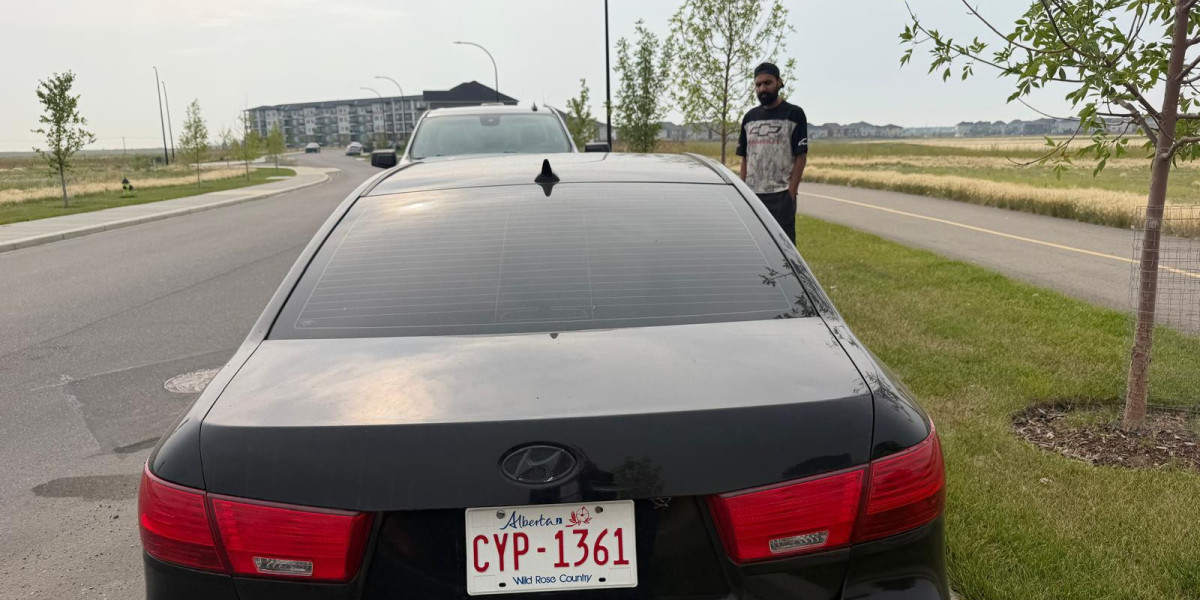

When an older car is no longer being used regularly, mileage is often one of the first details people consider when estimating its cash value. A vehicle with lower mileage may seem more valuable because it has generally been driven less, while a high-mileage car may appear less appealing.
But mileage does not tell the entire story.
For Calgary vehicle owners, an older car's cash value can depend on several factors, including its mechanical condition, maintenance history, make and model, usable parts, overall completeness, and current demand. Mileage is important, but it works together with these other details rather than determining the value by itself.
Understanding how mileage fits into the valuation process can help you set realistic expectations before selling an older vehicle.
Why Mileage Matters for an Older Car
Mileage can provide useful information about how much a vehicle has been used.
Generally, lower mileage means that certain mechanical and interior components may have experienced less wear. A high-mileage vehicle, on the other hand, may have experienced more use over its lifetime.
However, mileage alone cannot confirm the actual condition of a car. Two vehicles with the same odometer reading can be in completely different conditions depending on how they were driven and maintained.
This is why mileage should be treated as one piece of information rather than a complete measure of a vehicle's value.
Does Lower Mileage Always Mean a Higher Cash Offer?
Not necessarily.
A 15-year-old car with relatively low mileage may still have significant rust, mechanical problems, accident damage, or neglected maintenance. Meanwhile, another vehicle with considerably higher mileage may have been maintained regularly and remain complete with several usable components.
As a result, a lower mileage figure does not automatically guarantee a higher offer.
For older vehicles, buyers may look at the complete picture instead of focusing exclusively on the odometer.
High Mileage Can Affect Mechanical Value
High mileage can become more relevant when a vehicle is still being considered for continued use or when its mechanical components have potential resale value.
An engine, transmission, suspension system, and other components can experience wear over many years of driving. If the vehicle has very high mileage and significant mechanical problems, those issues can influence its overall cash value.
However, even a high-mileage vehicle may still contain useful parts or recyclable materials.
This means high mileage does not make an unwanted vehicle worthless. It simply becomes one factor in determining what parts of the vehicle still have value.
Maintenance History Can Change the Picture
Mileage becomes much more useful when considered alongside maintenance history.
For example, a high-mileage vehicle that received regular oil changes and replacement of worn components may be in better shape than a lower-mileage vehicle that was poorly maintained.
Receipts, service records, and information about recent repairs can help provide additional context.
If you are selling an older vehicle, mention major maintenance work when requesting an evaluation. It can help the buyer understand the vehicle beyond the number shown on the odometer.
How Driving Conditions Can Affect Wear
Not all kilometres place the same amount of stress on a vehicle.
A car used mostly for long highway journeys may experience different types of wear from one used for frequent short trips and heavy city driving. Stop-and-go traffic, repeated cold starts, rough roads, and winter conditions can all contribute to vehicle wear over time.
Calgary's climate and seasonal driving conditions can therefore be relevant when considering an older vehicle's condition.
Mileage provides a numerical record of distance travelled, but it does not explain exactly how those kilometres were accumulated.
Calgary owners can compare their vehicle's condition with a Cash for Cars Calgary offer before deciding whether to keep repairing it.
Mileage and Vehicle Age Should Be Considered Together
Mileage makes more sense when compared with the vehicle's age.
For example, a relatively low-mileage vehicle that is several decades old may still have age-related issues affecting rubber components, seals, electronics, bodywork, or other systems.
Likewise, a newer vehicle with unusually high mileage may have experienced extensive use despite its younger age.
Instead of asking only whether the mileage is “good” or “bad,” sellers should consider whether the mileage makes sense for the vehicle's age and overall condition.
Parts Can Still Have Value on a High-Mileage Vehicle
One of the biggest misconceptions about high-mileage cars is that their only remaining value comes from scrap metal.
That is not always the case.
Depending on the make, model, condition, and demand, a high-mileage vehicle may still contain usable wheels, body panels, electronics, interior components, or other parts.
Some parts may also remain valuable even when the vehicle itself is no longer practical to drive.
This is why an older car should be evaluated based on what it currently contains rather than simply rejected because of a high odometer reading.
Missing Parts Can Matter More Than Mileage
In some situations, the condition and completeness of a vehicle can have a greater practical impact than its mileage.
For example, removing the engine, transmission, wheels, or other major components can significantly change how the vehicle is evaluated.
A complete high-mileage car may therefore be viewed differently from a similar vehicle that has already been stripped of valuable components.
If you are considering dismantling an older vehicle yourself, compare the potential value of selling it complete before removing anything.
Accident Damage Can Offset Lower Mileage
A low-mileage vehicle may sound attractive, but serious accident damage can change its overall value.
Major body damage, structural problems, damaged mechanical components, or extensive corrosion can affect what can realistically be recovered from the vehicle.
This is another reason mileage should not be viewed independently.
When evaluating an older car, the condition of the vehicle today is usually more useful than relying on the odometer alone.
Does Mileage Affect Scrap Value?
Mileage generally has less direct importance when a vehicle is being valued primarily for recyclable material.
If an older vehicle is destined for recycling, the amount and type of recoverable material may be more relevant than how many kilometres it has travelled.
However, mileage can still provide useful background information about the vehicle and its components.
In other words, a high odometer reading does not necessarily eliminate the vehicle's scrap or parts value.
How Calgary Sellers Can Present an Older High-Mileage Car
If your older vehicle has high mileage, do not hide or exaggerate the number.
Instead, provide accurate information about:
· Current odometer reading
· Whether the vehicle starts and runs
· Engine and transmission condition
· Major repairs or maintenance
· Accident history
· Missing parts
· Tire and wheel condition
· Visible body damage
· Overall vehicle completeness
Clear information makes it easier to receive an evaluation that reflects the vehicle's actual condition.
Should You Repair a High-Mileage Car Before Selling?
This depends on the vehicle and the cost of the repair.
A major repair can become expensive, particularly when an older vehicle already has multiple issues. Spending a large amount on repairs simply to increase the potential selling price may not always make sense.
Before committing to repairs, consider getting an as-is evaluation first. This gives you a baseline and allows you to compare the potential offer with the cost of putting more money into the vehicle.
How to Get a More Accurate Cash Value
If you want a realistic idea of what your older car may be worth, provide as much relevant information as possible.
Start with the make, model, year, mileage, and general condition. Then mention whether it runs, whether major components are missing, and whether there is significant damage.
Getting a cash for cars evaluation can help Calgary sellers understand their vehicle's potential value without relying on mileage alone.
Photos can also help show the vehicle's exterior condition and completeness.
The more accurately you describe the car, the easier it becomes to evaluate it based on its actual condition rather than making assumptions from mileage alone.
Final Thoughts
Mileage can influence the cash value of an older car, but it is not a standalone price calculator. Lower mileage may indicate less use, while high mileage can indicate greater wear, but neither number tells the complete story.
For Calgary sellers, factors such as maintenance, mechanical condition, accident damage, missing parts, vehicle completeness, usable components, age, and current market conditions can all contribute to the final evaluation.
If your older car has high mileage, do not assume that it has little value. Likewise, a low-mileage vehicle should not automatically be considered highly valuable. Looking at the vehicle as a whole provides a much more realistic way to understand what it may be worth.